.svg)


.svg)


What is AI in Human Resources?
AI in HR refers to the use of Machine Learning, NLP, and automation across the HR lifecycle. From recruiting through onboarding, performance management, compensation analytics, learning, and employment references to workforce planning, retention, and offboarding.
Unlike classic HR software, AI works by learning: it detects patterns in applications and people data, understands free text via NLP, and delivers suggestions for shortlisting, skill matching, learning, reference writing, or retention. HR always decides — AI delivers the foundation, not the judgment.
Technologically, AI in HR rests on three core building blocks: Machine Learning for pattern recognition in people data, Large Language Models for understanding résumés, feedback, reference letters, and inquiries, and People Analytics for reliable forecasts on attrition, compensation, and succession. Bias checks run via frameworks like Fairlearn, Aequitas, or IBM AIF360 — continuously, not once.
EU AI Act and GDPR Art. 22: HR is high-risk
All recruiting, evaluation, and personnel decision systems become high-risk AI under the EU AI Act (Annex III) as of August 2, 2026. Conformity assessment, technical documentation, human oversight, and continuous bias testing are mandatory. In parallel, GDPR Art. 22 applies: purely automated decisions with legal or similarly significant effects (rejection, dismissal, promotion) are prohibited unless the affected person has explicitly consented. For attrition forecasting, skill matching, and performance evaluation this means: human decision, AI as suggestion.
Assisted HR vs. Autonomous HR
With Assisted HR, AI suggests (candidates, learning paths, reference drafts, retention signals); HR decides. Standard in 2026 and legally the only permissible form for sensitive decisions. Autonomous HR remains limited to standard requests like chatbot answers and calendar bookings. Automated rejections of applications remain legally problematic.
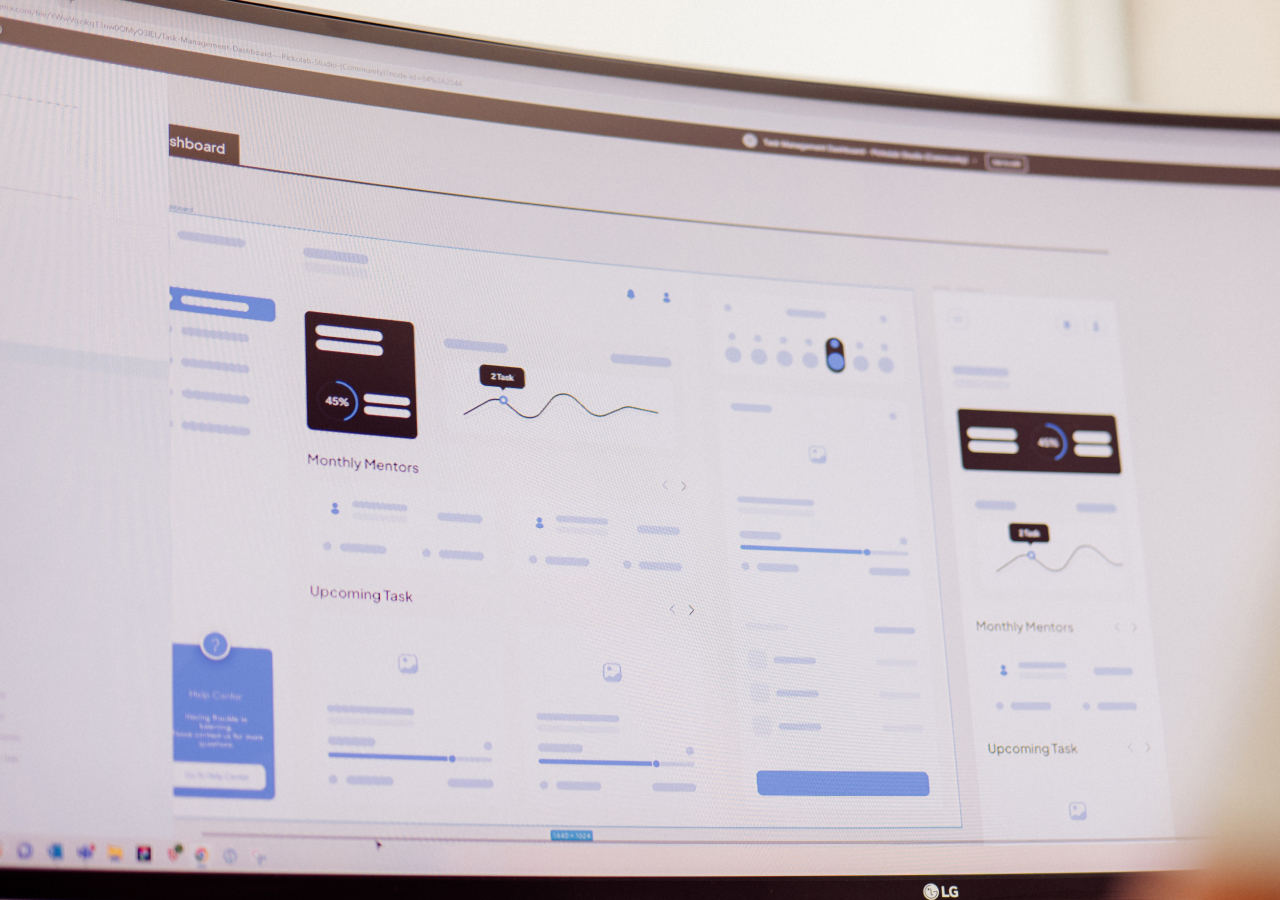
An Overview of AI Tools for HR
The market for AI-powered HR software has become increasingly complex. Broadly speaking, there are four categories. Which category is right for you depends on your workforce size, system architecture, and the maturity of your processes.
- ATS with AI Screening: SmartRecruiters, Personio, or Workday Recruiting. End-to-end recruiting with AI-powered pre-screening and ranking.
- Skill platforms: Eightfold, Gloat, or 365Talents. For strategic talent development and internal mobility based on skill models.
- HR chatbots and onboarding: Moveworks, Espressive, or Leena AI. Ideal for large workforces with many repetitive inquiries.
- People Analytics: Visier, Workday Analytics, or Crunchr. Data-driven turnover forecasting, succession planning, and HR reporting.
- Vendor-neutral consulting: We help you select the right category without representing any specific vendor’s interests.
- Combinable Approaches: In practice, the right answer rarely lies within a single category.
Common Pitfalls During Implementation
Many AI projects in human resources yield disappointing results. Not because of weak technology, but because of avoidable mistakes in the preparation phase:
- Underestimating bias pitfalls: Historical HR data often contains unconscious biases. Without systematic bias checks, the AI will simply replicate these patterns.
- Works Council Involved Too Late: Informingthe Works Council only shortly before rollout wastes weeks. When involved early on, the Works Council is an enabler, not an obstacle.
- Pilot project too large: Changing all HR processes at once overwhelms the team and governance. A phased rollout is the norm.
- No change management: Without clear roles, training, and communication to the workforce, acceptance will plummet immediately.
- Blind trust in vendor demos: The true quality and AGG compliance only become apparent when using your own job applications and personnel data.
Why the Works Council Is an Enabler, Not a Hindrance
The tendency to view the works council as an obstacle regularly sets projects back by months. In practice, the opposite is true:
- Early involvement: The works council understands the workforce’s concerns and can credibly support communication.
- Service agreement as a framework: A clear agreement provides legal certainty and room to maneuver, rather than having to renegotiate every detail.
- Joint checkpoints: Bias reports, human oversight, and complaint mechanisms are developed collaboratively and are more resilient.


AI in Human Resources: Your Takeaways and the Next Step
Starting in 2026, AI in HR will be both a reality and a regulatory requirement. Those who get started now will gain speed in recruiting, make better decisions, and build a strong employer brand—all without taking on compliance risks. What matters most is not so much the choice of software as the quality of the groundwork: clear HR processes, clean data, a robust role model, a service agreement with the works council, and a solid foundation in compliance with the EU AI Act.
As an AI consulting firm, prodot combines HR process consulting, EU AI Act expertise, and AI implementation into a clear roadmap for your team. Vendor-neutral, GDPR- and AGG-compliant, with a focus on economic impact rather than the flashiest demo.
What prodot offers
- AI Potential Analysis for HR: Consulting to get you started. More
- AI Training for Employees: Practical enablement for HR and subject-matter teams. Learn more
- AI Training for Executive Management: Strategic knowledge for decision-makers. Learn more
- Cross-Functional AI Training: For all roles within the company. Learn more
- Microsoft Copilot Training: Effectively integrate Copilot into HR teams. Learn more
- AI Chatbots for Standard HR Questions: Vacation, Pay, and Policies Around the Clock. Learn More