Digitalization in industry - networking processes & increasing efficiency
From production to maintenance: customized digital solutions for the manufacturing industry.
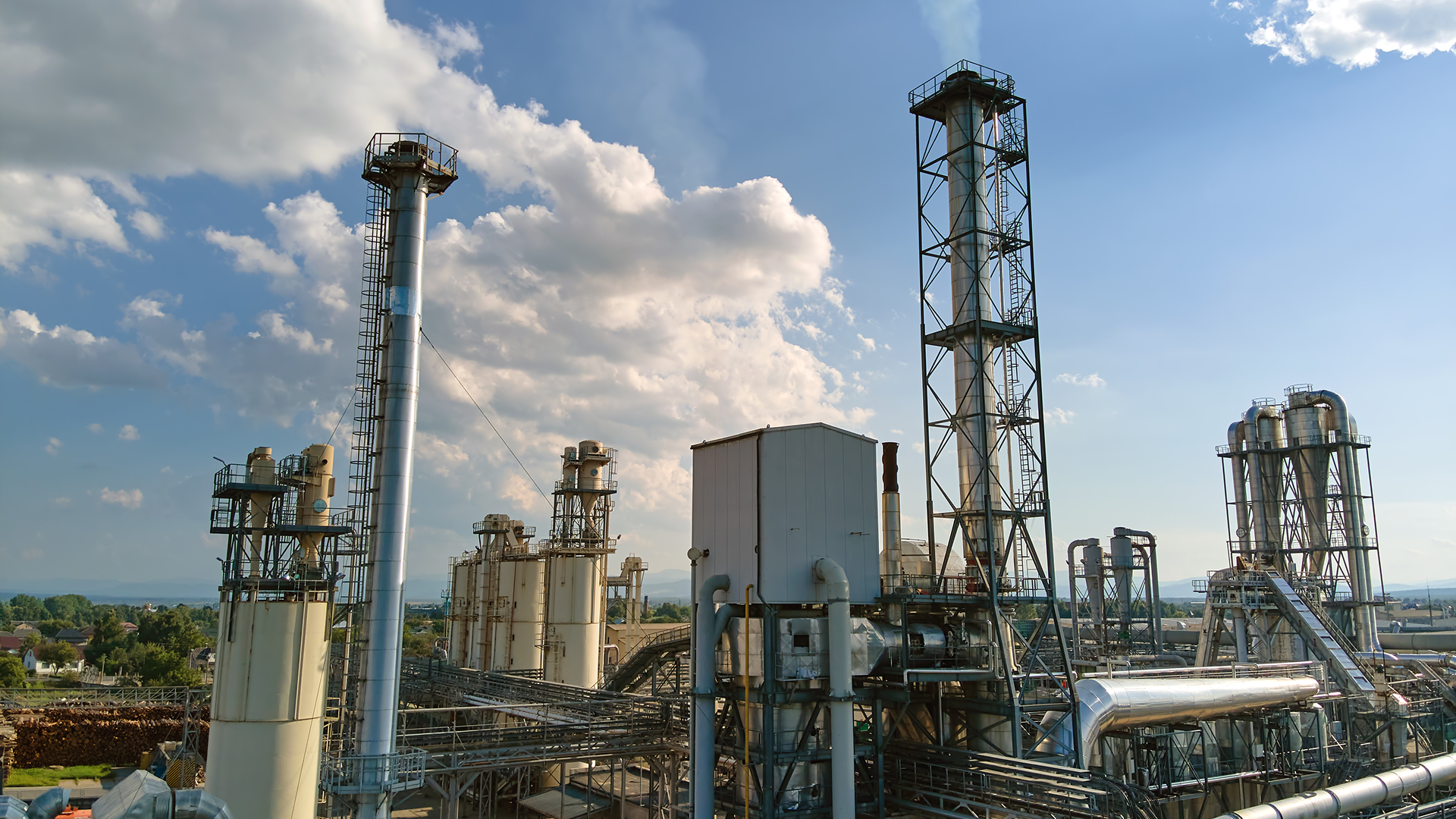





Reference: Predictive maintenance for TK Elevator
The project that prodot implemented together with TK Elevator shows what digitalization in industry looks like in concrete terms. More about the success story here.
TK Elevator operates MAX - the first cloud-based predictive maintenance solution for elevators and escalators. Real-time data from thousands of sensors in elevators worldwide is sent to the Microsoft Azure Cloud, where algorithms calculate the remaining service life of key components and predict maintenance requirements.
prodot has developed a multi-client-capable customer portal for MAX that informs MAX customers about the status of their devices at all times. The portal visualizes key figures such as operating time, door movements, distances, capacity utilization and device status in real time. Predictive maintenance warnings about impending breakdowns are displayed directly in the portal.
The results at a glance:
-
Maximum elevator availability thanks to predictive maintenance instead of reactive repairs.
-
Real-time transparency on the exact status of all connected devices.
-
Clear usage statistics with filter functions across different time periods and device groups.
-
Scalable authorization concept: users only see the devices and data for which they are authorized.
-
Open REST API for integration into external systems.
"prodot's strong technological expertise with regard to the Microsoft Azure platform helps to reduce the approval processes for all project participants to a minimum and supports the rapid development of our solutions." - Christian Jung, Manager Digital Operations, TK Elevator
The prodot IoT-X Platform: from raw data to decisions
In many industrial companies, the IoT approach ends exactly where it should start: Data is created, ends up in silos and doesn't find its way into business processes. In the end, nobody makes better decisions than before.
With the IoT-X Platform, prodot has developed a solution that addresses precisely this point. The platform aggregates data from different sources - sensors, telematics systems, ERP and third-party software - in a standardized interface, makes it evaluable in real time and translates it directly into operational processes.
What the IoT-X Platform actually does:
-
Manufacturer-independent connection via open standards such as OPC-UA, MQTT and REST-API - even older systems without native connectivity can be retrofitted.
-
Real-time dashboards and alerts for machine statuses, operating parameters and critical events.
-
Automatic SAP integration: maintenance orders, spare parts orders and machine time allocations are triggered without any manual intermediate steps.
-
Scalable entry: An initial use case is sufficient as a starting point - the platform grows with the requirements.
-
Available in the Microsoft Azure Marketplace with ready-to-use modules for data aggregation, reporting and process automation.
In practice, for example, the IoT-X Platform has automatically transferred telematics data from various systems to SAP for a leading road construction company - with fuel savings of up to 10 percent as a measurable result.

What investments in digitalization bring: the business case
Those who invest in digital transformation see measurable results. A PwC study on digital product development shows that companies achieve the following average improvements over five years by investing in digital technologies:
-
19% increase in efficiency through digital product development and networked processes.
-
17% shorter time to market thanks to faster development and approval processes
-
13% lower production costs through automation and data-based optimization.
Particularly noteworthy: digitally leading companies achieve these results without investing a disproportionate amount in research and development. It's not the level of investment that matters - it's the strategic focus.
Why prodot is the right partner for digitalization in industry
Digitization projects in industry rarely fail because of the technology. They fail when solutions do not match the actual processes, when data silos are not broken down or when the path from raw data collection to real use is not consistently thought through to the end.
We combine IT expertise with an understanding of processes. Technical know-how alone is not enough. A good partner understands its customers' business processes and develops solutions that fit them. prodot has both - from over 25 years of project experience in the manufacturing industry.
We integrate what is already there. No industrial company starts from scratch. Existing ERP systems, established machinery and heterogeneous telematics landscapes are the starting point. We develop solutions that fit into existing structures - regardless of manufacturer and system efficiency.
We deliver transparency that is relevant to decision-making. Our solutions do not simply provide more data, but the right data - prepared for maintenance teams, production managers and company management.
We provide end-to-end support. From requirements analysis, development and integration to ongoing operation - everything from a single source. No subcontracting, no gaps in responsibility.
We build for growth. Modular architectures and open standards ensure that solutions grow in line with requirements. AI functions, new data sources or additional locations can be integrated without affecting the overall system.