Digitalization in logistics

From telematics platforms to supply chain integration: tailor-made digital solutions for transport and logistics.
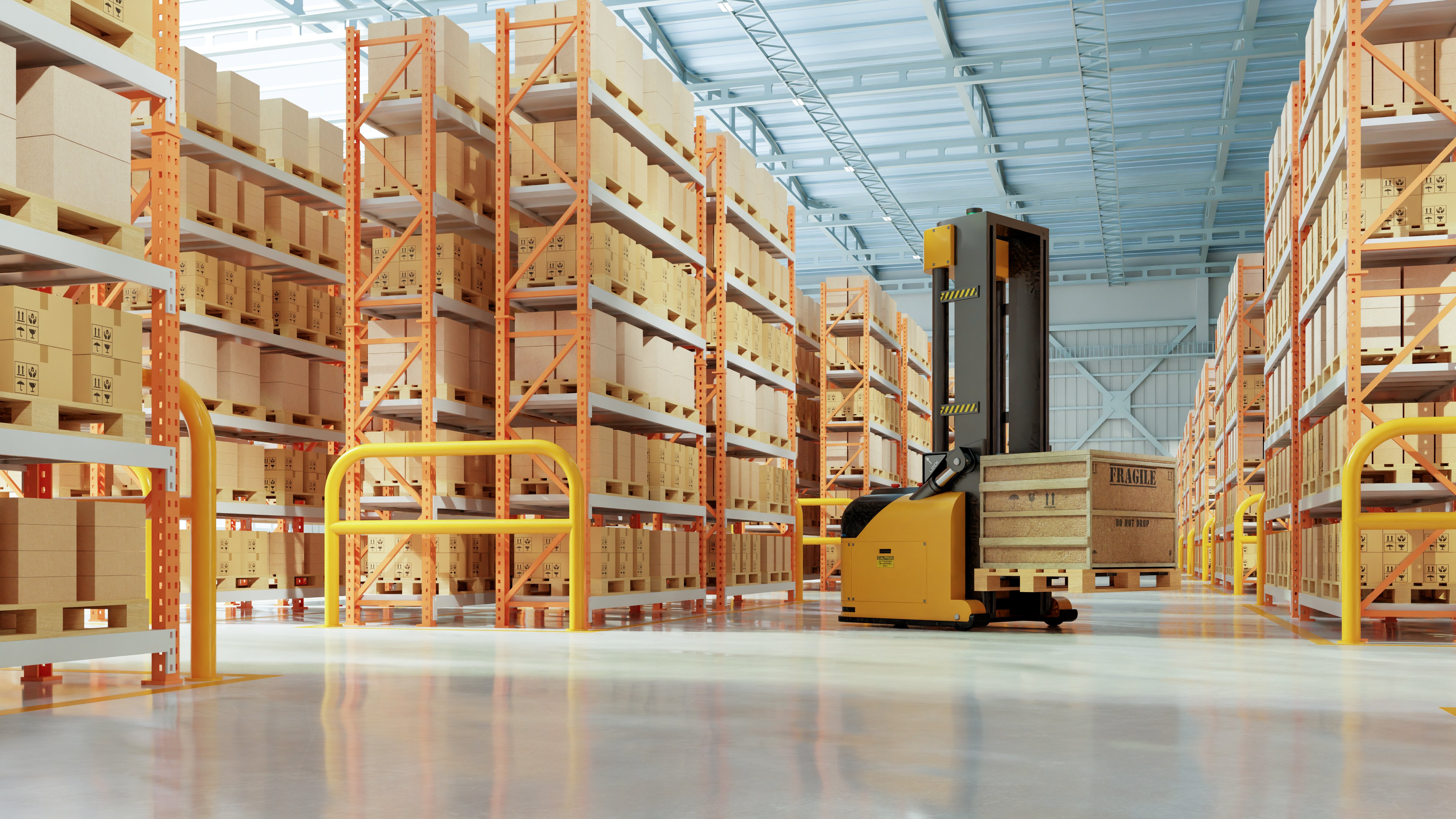

Digitalization in logistics from prodot

What does digitalization mean in logistics?

Logistics is the backbone of the modern economy. At the same time, it is one of the sectors in which digitalization determines competition and growth: Those who track shipments in real time, optimize routes with the help of AI and manage their fleet via a uniform platform work more efficiently and cost-effectively than competitors who do not.

In concrete terms, digitalization in logistics means that vehicles, warehouses and supply chains are networked. Transport data flows automatically into ERP systems. Maintenance requirements are recognized in advance before a breakdown affects route planning. And customers receive real-time transparency about their shipments via digital portals.

prodot has been developing customized software solutions for SMEs and corporations for over 25 years. For transport and logistics companies, this means telematics platforms, IoT solutions, fleet management software and ERP integrations, developed and operated on the basis of modern cloud technologies such as Microsoft Azure.

The status quo: the digitalization paradox in logistics

The BVL study "Trends and Strategies" 2025 paints a sobering picture: Only 30.7 percent of the logistics companies surveyed consider their level of digitalization to be high or very high. Yet digitalization is at the top of the agenda for almost all companies: cyber security and the digitalization of business processes are the top trends in the industry, according to BVL. The gap between aspiration and implementation is considerable.

The pattern is familiar across the industry: Pilot projects emerge, fail to scale or disappear into departmental silos. What is missing is not technology, but a clear plan and a partner who will accompany the project from idea to productive operation.

The biggest digitalization challenges in logistics

Logistics companies face specific hurdles that make digitalization projects more complicated than in other industries: decentralized structures, heterogeneous fleets, real-time requirements and enormous cost pressure that leaves little room for complex implementation projects.

The typical challenges:

Data from many sources, no common basis. Telematics systems from different manufacturers, different vehicle generations and evolved IT landscapes create isolated data islands. There is no comprehensive picture of the fleet, routes and capacity utilization.

Media disruptions between driver, scheduling and ERP. Delivery data, journey times and consumption values are recorded but manually transferred to the system. This costs time, generates errors and delays controlling.

No transparency about the condition of the fleet. Maintenance intervals are adhered to according to fixed schedules, not according to actual requirements. Unplanned breakdowns hit route planning unprepared.

Compliance and documentation obligations. Tachographs, hazardous goods transports, driving times and driving and rest periods must be fully documented. Manual processes make this error-prone and time-consuming to check.

Customers expect real-time transparency. Real-time shipment tracking is standard today. Logistics service providers who do not deliver this are losing orders to providers who can.

user-experience-header
product-ownership-prodot-header
ux-consulting

The most important areas of digitalization in logistics

Digital transformation in logistics is most beneficial where it directly affects operational processes.

Telematics platforms and fleet management. A central platform aggregates data from various telematics systems in a standardized interface, regardless of the manufacturer. Real-time location, capacity utilization overview, driver behaviour and consumption values are available at the touch of a button.

IoT and condition monitoring for vehicles and warehouses. Sensors on vehicles and in warehouse facilities continuously supply operating data: Tire pressure, engine temperature, load compartment conditions, warehouse temperatures. Deviations are automatically reported before they become a problem.

Predictive maintenance for fleets. Instead of driving to the workshop at fixed intervals, the solution recognizes the actual need for maintenance based on vehicle data. This reduces unplanned breakdowns and lowers maintenance costs.

ERP integration and automated data transfer. Transport data, consumption values and trip logs flow automatically into SAP or other ERP systems. Maintenance orders, cost centers and billing are triggered without manual intermediate steps.

Driver scoring and driver portals. Individually configurable scoring systems analyze driving style, braking behavior and speed profile based on vehicle and usage profiles. This demonstrably reduces fuel consumption and repair costs and creates transparency for drivers and dispatchers.

Compliance portals and documentation. Proof of dangerous goods, driving and rest times and trip documentation are automatically recorded and processed. Operational audits and official inquiries can be answered quickly and in an audit-proof manner.

Customer portals and shipment tracking. Shippers and recipients receive real-time access to shipment status, delivery history and documents via self-service portals. This relieves the burden on customer service and increases customer satisfaction.

Online appointment

Arrange a free consultation online now

Feel free to contact us by form, e-mail or telephone. Or book an online appointment now. We look forward to hearing from you!

We will get back to you as soon as possible!

Send request now

Reference: Modular telematics platform for Kienzle Automotive

The project that prodot implemented for Kienzle Automotive shows what digitalization in logistics looks like in concrete terms.

Kienzle Automotive is one of the leading providers of telematics and tachograph solutions for more than 10,000 customers in transport and logistics. The company wanted to provide its customers with a multi-client capable, highly available telematics platform in the cloud that evaluates data from any telematics system, regardless of manufacturer, and provides value-added services based on this data.

prodot has developed this platform on the basis of Microsoft Azure: scalable, fail-safe and open to any telematics source. The platform evaluates data and events in real time and provides them as reports or automatically triggers follow-up processes.

Two core modules of the platform:

  • Alarm portal for hazardous goods and special transports. All relevant information sources are automatically read, aggregated and evaluated in real time. Configurable rules ensure that dispatchers are informed immediately if driving behavior or vehicle condition deviate from the defined parameters.

  • Driver scoring. The scoring system analyzes driving style and fuel consumption based on individual vehicle and usage profiles. Drivers can view their personal score at any time in a dedicated app. The result: demonstrably reduced fuel consumption and optimized maintenance costs.

The platform runs entirely in the Microsoft Azure Cloud and is designed to be multi-client capable, allowing Kienzle to integrate new customers and telematics sources without having to modify the system.

Find out more about the success story with Kienzle now.

L1140684

Why prodot is the right partner for digitalization in logistics

Digitalization projects in logistics rarely fail because of the technology. They fail if systems are not integrated independently of the manufacturer, if real-time requirements are underestimated or if solutions are not operated after the go-live.

We integrate independently of manufacturers. Telematics landscapes in logistics companies are heterogeneous. Different generations of vehicles, different systems and evolved IT structures are the starting point. We develop platforms that can be connected to any source via open standards such as REST-API, OPC-UA and MQTT.

We understand compliance requirements. Proof of dangerous goods, tachograph data and driving and rest time requirements are not optional in logistics. Our solutions provide seamless and audit-proof documentation.

We build on Microsoft Azure. As a long-standing Microsoft partner, we develop and operate scalable cloud solutions with automatic load balancing and high availability. In logistics, with its real-time requirements, this is not a detail, but a basic prerequisite.

We deliver transparency that is relevant to decision-making. Our solutions don't just deliver more data, but the right data: prepared for dispatchers, fleet managers and company management.

We provide end-to-end support. From requirements analysis, development and integration to ongoing operation, everything comes from a single source. No passing on to subcontractors, no gaps in responsibility during go-live.

Conclusion: digitalization in logistics is not a pilot project

Only 30.7 percent of logistics companies rate their own level of digitalization as high or very high - although hardly any company ignores the issue. The difference lies not in the technology, but in the quality of implementation: a clear initial use case, a platform that grows with the requirements and a partner who accompanies them all the way to productive operation.

Logistics companies that act now will secure measurable benefits: lower operating costs, higher fleet availability, better compliance and the ability to provide their customers with the transparency they expect today. prodot accompanies this journey with technical depth, industry experience and the ambition to develop solutions that really work in everyday logistics.

Arrange your free initial consultation now. Talk to us about your digitalization projects - we'll take a look together.

Contact us now

daniel_ludewig_circle

Your contact person

Daniel Ludewig
0203 3965080